
Introduction
Many industries face challenges in liquid and gas filtration, and selecting the appropriate filter is no easy task. Sintered PTFE (polytetrafluoroethylene) and metal filters each possess unique properties, with hydrophobicity being one of the key issues frequently encountered by users. Custom pore size sintered filter cartridges can effectively address such problems. Understanding the differences in hydrophobic performance between the two is crucial for industries such as pharmaceuticals and chemicals. This article delves into a comparative analysis of the characteristics of sintered PTFE and metal filters.
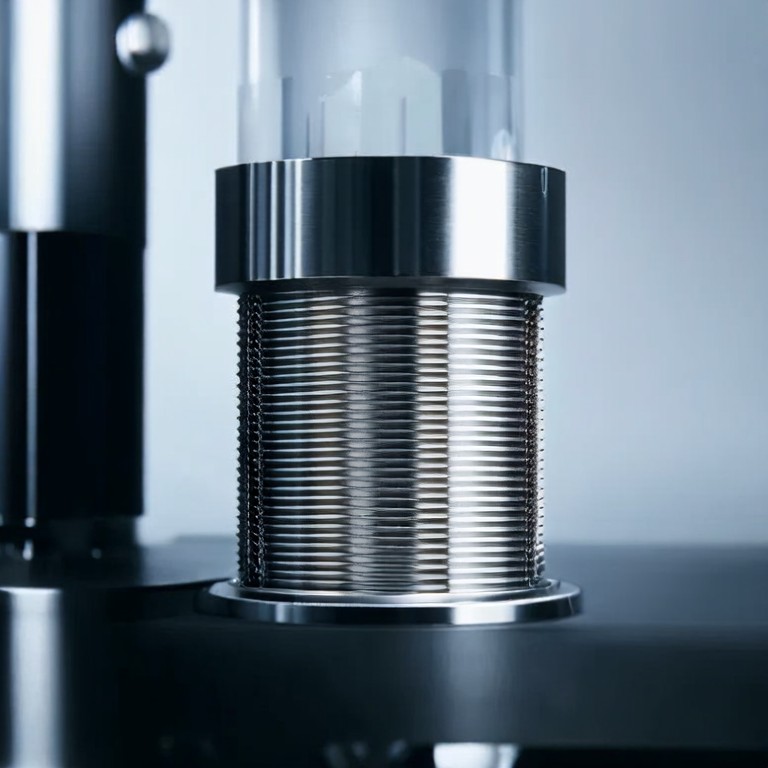
Key Findings
Sintered PTFE filters generally exhibit superior hydrophobic properties compared to metal filters. Their outstanding water-repellent characteristics make them exceptional for moisture-sensitive applications, whereas metal filters may experience reduced filtration efficiency due to water absorption.
Performance Comparison
Performance comparison across the following dimensions:
Hydrophobicity: Sintered PTFE exhibits exceptional hydrophobic properties, making it suitable for organic solvent processing.
Durability: Metal filters withstand high temperatures but lack sufficient hydrophobicity.
Pore Size Customization: Sintered PTFE offers custom pore size solutions, providing significantly greater flexibility than standard metal filters.
Hydrophobicity Comparison
Sintered PTFE forms an effective waterproof barrier, whereas metal filters may retain moisture and cause contamination. Studies indicate that PTFE maintains approximately 90% hydrophobicity even under harsh conditions.
Durability Factors
While metal filters withstand high pressure, they are prone to corrosion. Sintered PTFE possesses corrosion resistance, ensuring a longer service life.
Advantages of Custom Pore Sizes
Through personalized customization of filter pore sizes, users can precisely match filtration requirements—a capability difficult to achieve with traditional metal filter elements.
Conclusion
Overall, sintered PTFE filters significantly outperform metal filters in hydrophobic properties and pore size customization. For industries prioritizing moisture control, PTFE filter cartridges represent a more prudent solution.
Frequently Asked Questions
Q1: What are the primary advantages of sintered PTFE filters?
Their hydrophobicity effectively blocks moisture ingress and prevents contamination.
Q2: Are metal filters universally applicable?
While durable, they are unsuitable for scenarios requiring strict waterproofing.
Q3: How does pore size affect filtration performance?
Custom pore sizes optimize flow rates and precisely filter target particles.
Q4: Are PTFE filter cartridges more expensive?
Initial investment may be higher, but long-term durability offers better cost-effectiveness.
Q5: Which industries benefit most from their use?
Pharmaceutical, chemical, and food processing industries demonstrate clear advantages.
Leave A Message
If you are interested in our products and want to know more details, please leave a message here, we will reply you as soon as we can.